Santa Fe Springs is one of the Gateway Cities, southeast of downtown Los Angeles. The census counts 2,017 owner-occupied single-family homes. The median home was built in 1960. That age shapes the roof more than the neighborhood does.
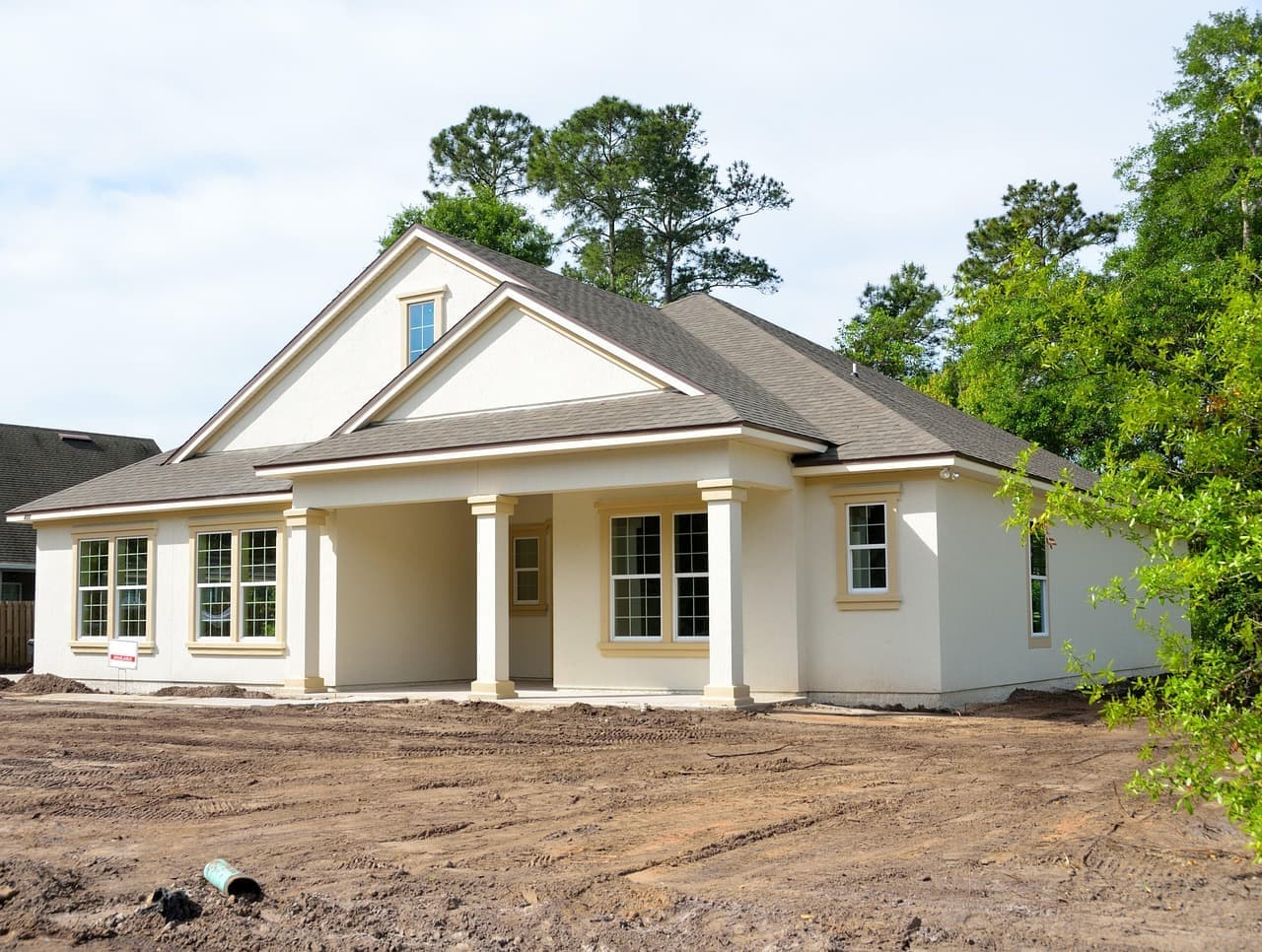
A median house built in 1960
The Census Bureau's 2020 to 2024 estimates put the median owner-reported home value at $659,900. A flat or low-slope section over a garage or an addition carries its own cool roof values.
Zone 9 and the cool roof rule here
The city is in climate zone 9. On a single-family house, a reroof covering over half the roof needs a steep-slope covering with at least 0.20 reflectance after aging and 0.75 emittance, with SRI 16 as the other route, and low slopes need the higher values. The rule counts an overlay as replacement, so recovering a roof does not avoid it.
Building office and fire zone
Reroof permits come from the City of Santa Fe Springs, which posts its building forms on the city site. CAL FIRE's official hazard severity viewer shows the zone for an address, and the city's fire or building office can say what that means for your permit.
Roofing in Santa Fe Springs
Replacement and new roofs are the work. The Santa Fe Springs pages cover the tear-off questions that older housing raises and the plans a new roof needs.
Santa Fe Springs questions
Is Santa Fe Springs in a fire hazard severity zone?
Look your address up on the official CAL FIRE viewer, then the city's fire or building office can say what your permit requires.
Which office issues reroof permits in Santa Fe Springs?
The City of Santa Fe Springs, through its Building and Safety Division. The city posts its building forms on its own site.
What roof types are common in Santa Fe Springs?
Composition shingle on pitched roofs, with low-slope sections over additions and garages. Houses near the 1960 median often have older decks that need closing before a new covering.