Solar panels sit on a roof, and the roof wears out on a different schedule. If the roof is old when the panels go up, the panels have to come off again for the reroof.
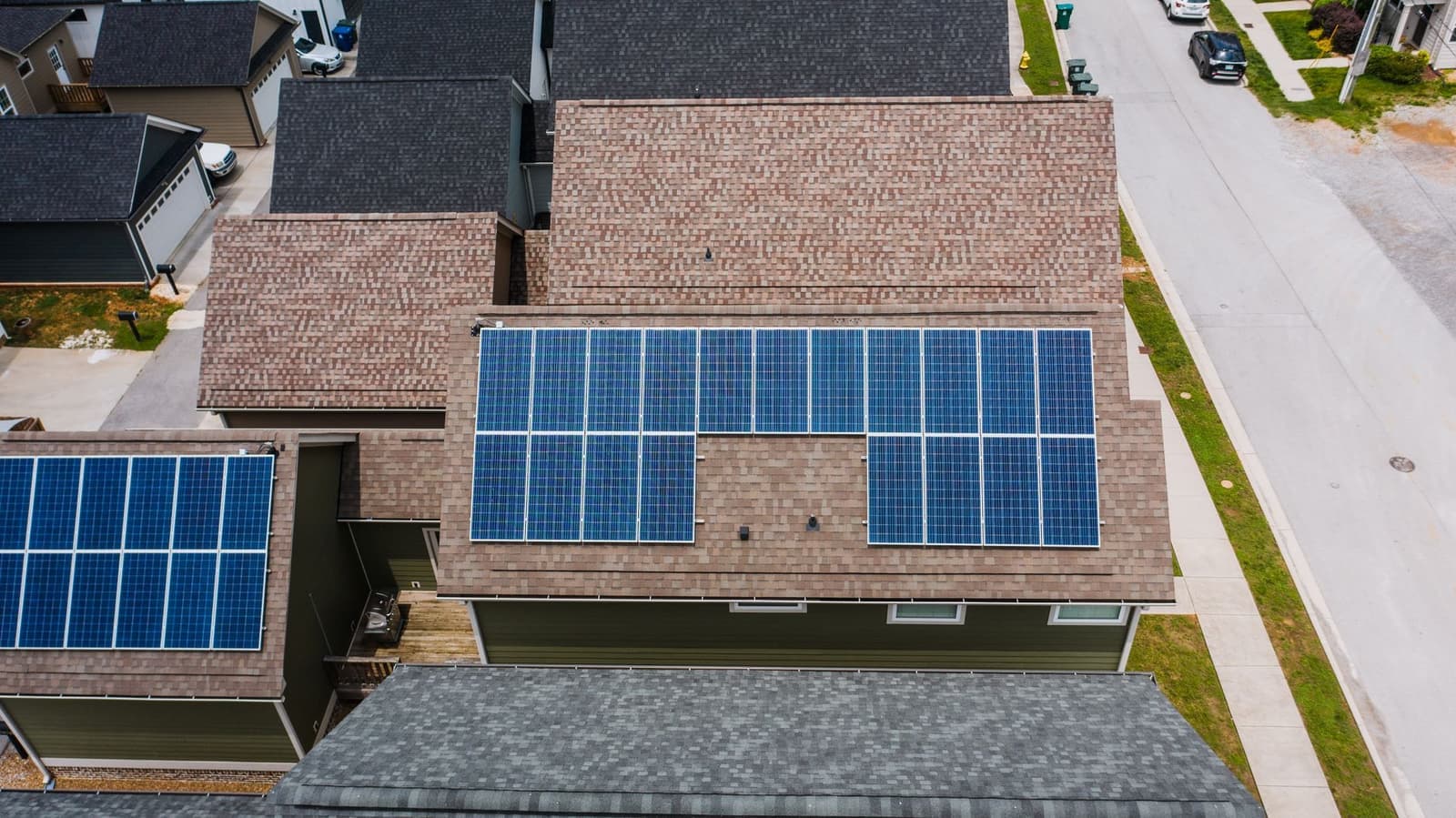
Replace first or panel first
An old roof under new panels is a future double job. The usual advice is to replace the roof before the panels go on if the covering has limited life left. A new covering and fresh underlayment, with the deck checked, gives the mounts a sound base.
If panels are already there, the reroof is a coordinated sequence: remove the array, replace the roof, set the array back. That costs more than a reroof on a bare roof, since the panels must be taken down, stored and reinstalled.
The Energy Code exempts the roof area under solar panels from the cool roof rule, which matters when panels cover most of a south slope.
Timing is the other consideration. Permits for the solar system and for the reroof may be handled by different offices on different schedules, so ask each party for dates and set them side by side before anything is booked.
Layers matter more under an array. County rules allow an overlay only over a single existing layer, on adequate framing and a sound, dry deck. A second layer under panels also hides the deck for as long as the array stays, so the assessment should state the layer count before the solar plan is fixed.
Removing and resetting panels
Where the County is the building authority, the reroof takes a building permit, and lifting the panels off and putting them back takes a solar permit of its own. That is a second application, and it should be planned before the reroof date.
The County's reroofing manual applies whether or not the roof carries a solar energy system, so the same document governs both.
The electrical side is a job for a solar or electrical specialist. Our side is the covering, the deck and the flashing. Keep the two scopes separate in writing.
What a solar-ready scope should name
- Condition of the deck under the planned mounts
- Covering and underlayment with life beyond the array
- Flashing for each mount penetration
- Who removes, stores and resets the panels
- County solar permit, applied for by whom
- How long the system will be off
When to reroof before panels
- A covering with only a few years left
- Brittle underlayment visible at the eaves
- A solar quote on a roof that has leaked before
- A plan to add panels in the next few years

Photo by Raze Solar on Unsplash
Mounts and flashing
Panel mounts attach to the rafters through the roofing, and every attachment is a penetration. On a new roof, each one is flashed and sealed before the covering laps over it, so water goes around the mount rather than into the hole.
The mounting hardware, the flashing type and the sealant should be named in the solar contract and checked against the roofing scope. The weak point is a penetration made after the roofing was finished without proper flashing.
Ask us how the existing mount positions will be located, protected and reflashed on a reset.
Where the array is already installed, ask the solar company to label and photograph each panel and wire run before removal, so the reset matches the original layout and the system's records.
Who coordinates
Three parties are involved: us, the solar company and the utility. The homeowner holds the contracts, and in practice sets the order.
Typically the solar company handles the utility's connection steps, and we handle the roofing permits and inspections. Ask each to confirm in writing who removes and resets the array, who applies for the County solar permit, how long the system will be off, and who pays if a delay occurs.
Solar-ready means the roof is prepared before panels go on: a sound deck, new covering, correct flashing and a clear plan for the mounts.
Warranty paperwork is the quiet item. A roofing warranty and an installer's warranty on the penetrations can overlap on the same mounts. Read both, and ask who answers if water enters at a mount.
Solar and roof questions
In the County, do panels coming off take a separate permit?
Yes. Under County rules the reroof takes a building permit, and the panel removal and reset take a separate solar permit. Plan both applications before the reroof date.
How are panel mounts flashed on a new roof?
Each mount attaches to a rafter through the roofing. It is flashed and sealed so the covering laps over the flashing and water runs around the mount. Ask for the flashing type and sealant in writing.
Who coordinates with the solar company and the utility?
The homeowner holds the contracts. Typically the solar company handles the utility's connection steps and we handle the roofing permits and inspections. Ask each to confirm responsibilities in writing.
Should an old roof be replaced before panels are installed?
If the covering has limited life left, usually yes. Panels on an old roof must come off for the reroof, which means paying twice. Replace first and the mounts sit on a sound base.
What does solar-ready mean if panels come later?
A roof prepared for mounts: a sound deck, a covering with life beyond the array, correct flashing and a clear plan for where the mounts will go. It is a condition of the roof, not a product.