Replacing a roof means more than swapping the visible surface. The covering is the top layer of a stack, and that stack only works if the deck beneath it is flat, dry and firmly fastened. The stack runs from the boards upward, and Los Angeles code adds items at permit time. Read a bid against it: if a scope skips a layer, ask why.
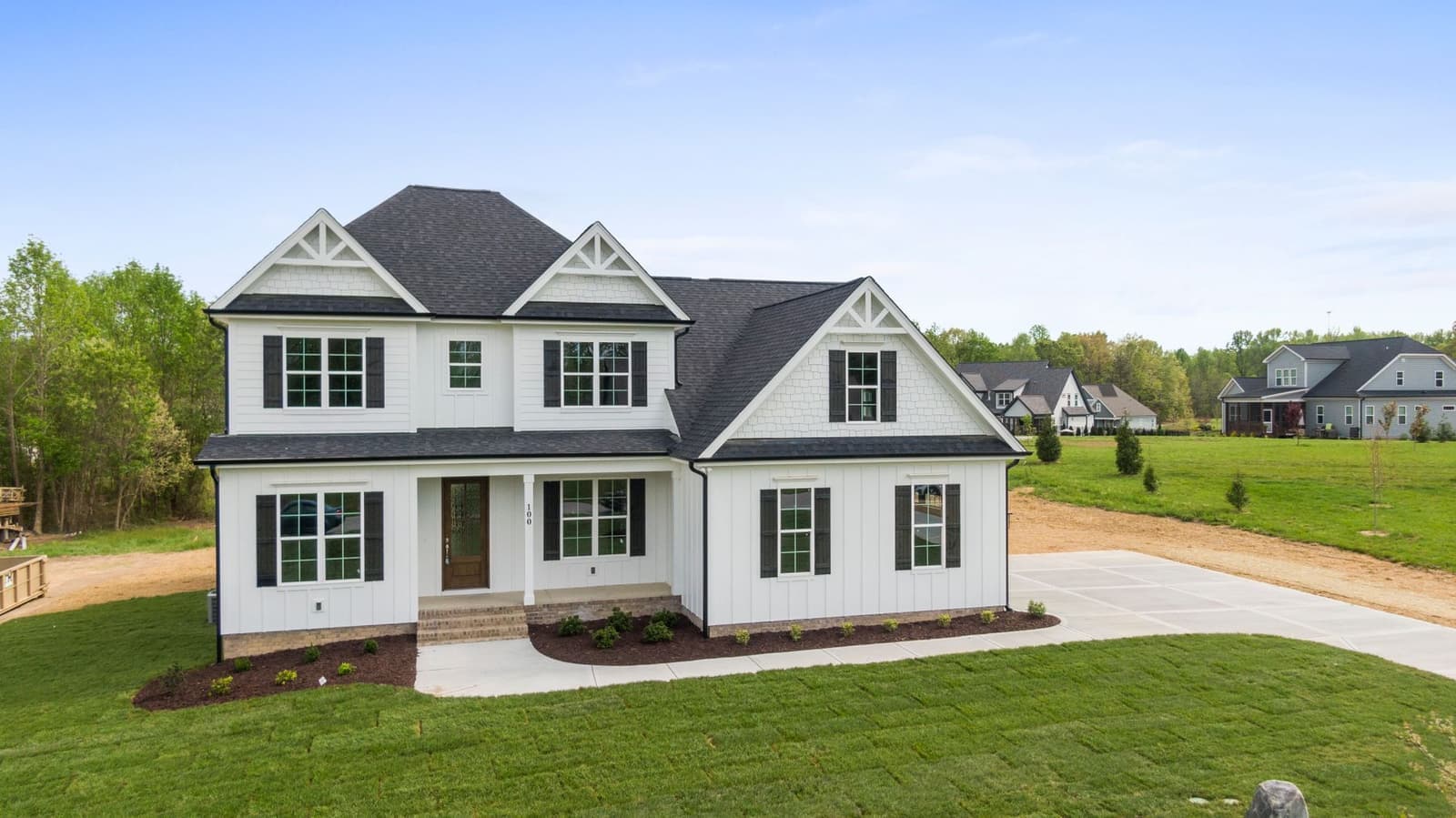
Roof replacement contractor for West Hollywood houses, built from the deck up
You want the whole roof replaced, and you want one contractor to carry it from tear-off to final inspection. Firmament Roofing takes that job on West Hollywood houses, and the work starts below the covering, not on it. Every old layer comes off down to the deck. The boards are read, replaced where they have failed, and only then does the new roof go down in order.
The order is the point. Deck, drip edge, underlayment, flashing, vents, covering, ridge. Each layer rests on the one beneath it, so a weak layer low in the stack spoils everything above it. Your written quote should name each layer, so you can see what is being rebuilt and what is being kept.
The median West Hollywood house was built in 1965 (U.S. Census Bureau, ACS 2020-2024). Whatever sits under your covering shows only at the tear-off, so the quote carries a line for the deck boards.
What sets the price of a roof replacement
Read the published ranges first, then see what moves your roof inside them. Angi gives a Los Angeles mean of $17,271 for a full reroof, with a band of $10,256 to $24,963 that it labels typical (Angi, 2026). The same source gives about $8.60 a square foot of roof surface, within a range of $4 to $12 (Angi, 2026). Removing the old layers adds $1,000 to $3,000 (Angi, 2026). Those are third-party figures for the metro. Your written quote prices your roof.
| Cost driver | Effect on the quote |
|---|---|
| Roof size and pitch | Roofing is priced by the square, one hundred square feet of roof surface. Steeper pitch, hips and valleys add surface and labor. |
| Layers to remove | Each old layer is more tear-off and disposal, written as its own line. |
| Deck condition | The boards are read once the covering is off. Replaced boards are priced per sheet or per board as a named allowance. |
| Flashing and valleys | Walls, chimneys, skylights and vent pipes each get new flashing, counted by location. |
| Access and stories | A tight lot or a second story changes how material gets up and debris comes down. |
| Covering chosen | Shingle, tile, metal and flat membrane price differently, and tile brings a framing question with it. |
| Permit and inspection | The permit and the inspection visit are named lines, not buried in the total. |
Ask for a written roof replacement quote
Give the street area in West Hollywood, the covering on the roof now and the one you want, and whether the house has more than one level. Add what you know about earlier layers or old water stains.
Or call (323) 366-5735
Permit and inspection in West Hollywood
Reroofs in West Hollywood go through West Hollywood's Building and Safety Division, which handles the permit applications. The quote names the permit as a line of its own, and the inspection closes it out. The city's website carries the forms and fees, so check them before you apply.
Replacing more than half of a single-family roof also brings in the state cool roof rule. In plain words, the new covering has to be a product that reflects heat well enough for climate zone 9, and the quote lists the product that does.
Materials and the multi-owner question
The same stack carries shingle, tile, metal or a flat membrane. The covering changes, and the layers under it stay: drip edge, underlayment, flashing, vents. Tell us which covering you are leaning toward and the quote prices that stack.
Condominium and multi-owner buildings add a step. The association decides on the roof, so get its approval in writing before work is scheduled.
Fire map and the rain calendar
Enter the address in CAL FIRE's official hazard severity viewer to find its zone, then ask the city's fire or building office how it touches your permit. About 87 percent of the year's rain falls from November to March (NWS normals for downtown Los Angeles, 1991 to 2020), so the dry months suit a roof that stands open at the deck.
Start with the boards
The deck is the plywood sheets or wood boards fastened across the rafters. Every other layer is fastened or adhered to it. When the old roofing is stripped, the deck is exposed, and that is when its condition is known.
Soft spots, splits along the nail lines and dark water staining mean replacement of those boards before anything else goes down. A bid that cannot say how deck repair is handled, and priced per sheet or per board, leaves the biggest unknown on the roof unresolved.
The county's median house dates from 1965 (U.S. Census Bureau, ACS 2020-2024). Closing a gapped deck is a standard part of a full replacement and is covered on the older homes page.
The layers, in the order they go down
Once the deck is sound, the new roof is built in a fixed sequence.
Drip edge goes along the eaves and rakes first. It throws water clear of the fascia board and gives the underlayment a clean edge to finish on. Next comes underlayment, the water-shedding sheet that is the real waterproofing of the roof. Self-adhered membrane is added at valleys, low eaves and roof openings where water concentrates.
Flashing follows at every place the roof meets something else: walls, chimneys, skylights, plumbing vents. Flashing joints cause more leaks than the field of the roof, so they are replaced, not reused. Vents come next, because balanced intake low and exhaust high keeps attic heat from baking the deck from below.
Only then does the covering go on, whether shingle, tile, metal or a flat membrane, and the ridge is capped last.
What a full replacement should list
- Removal of all old roofing down to the deck
- Deck repair priced per board or per sheet
- New drip edge at eaves and rakes
- Underlayment with self-adhered membrane at valleys and openings
- New flashing at every wall, chimney and vent
- Permit, final inspection and the re-roofing certificate
Signs the roof is ready for the stack to be rebuilt
- Shingles curling, cracking or showing bare mat across whole slopes
- Tile slipping or breaking across several areas, not one
- Ceiling stains that come back after a dry spell
- Daylight visible through the roof boards from the attic

Photo by Raze Solar on Unsplash
What Los Angeles code adds to the scope
A replacement in Los Angeles triggers rules that a generic bid can miss. Under the state Energy Code, section 150.2(b)1I, a single-family reroof that replaces more than 50 percent of the roof must meet cool roof values, and laying a new covering over the old one is treated as a replacement too. The 2022 code set the rule and the 2025 code kept the same text. Steep-slope values for inland climate zones such as 9 are an aged solar reflectance of 0.20 with 0.75 thermal emittance, or an SRI of 16. On top of that, Los Angeles sets city values of its own.
Fire class matters too. Inside the City, the Very High Fire Hazard Severity Zone takes Class A only, and Fire District No. 1 takes Class A or B. Where the County is the building authority, an overlay is allowed over one existing layer at most, on adequate framing and a deck that is dry and sound, and tile of clay or concrete is stripped before any reroof.
Finally, the permit. A reroof needs one. LADBS treats it as an express permit without plan check, and the contractor or owner-builder signs the Re-roofing Certificate of Compliance for the inspector. Outside the City, the city's own building department or the County issues the permit.
Warranty paper and the calendar
Two kinds of warranty sit behind a new roof, and they are different documents. A manufacturer warranty covers defects in the product and is issued by the maker. It may be prorated, may be limited to the original owner, and may require registration by a deadline. A workmanship warranty covers the installer's labor and comes from the installer. Ask for both in writing, and ask what voids each one. The product warranty comes from the maker, and the workmanship terms belong in the written contract.
Timing is the other planning item. Los Angeles gets about 87 percent of its yearly rain between November and March, so a tear-off in the dry months leaves the open deck exposed for fewer risky days. Booking the assessment before the wet season gives the permit and the material order time to line up.
Roof replacement questions
Can I replace my roof myself in California?
An owner may act as owner-builder and pull the permit, and then carries the responsibility for the work and the inspections. The permit is still required, and the cool roof and fire rules still apply where they cover your address. Roofing is hazardous.
Does a reroof have to meet the cool roof rule?
Replace over 50 percent of a single-family roof and the state Energy Code applies, and overlays count as replacement. Steep roofs in inland zones need an aged reflectance of 0.20 with 0.75 emittance, or an SRI of 16. Coastal zone 6 steep roofs are not covered by the state rule, though low-slope roofs are. The City of Los Angeles has its own values.
Which office permits and inspects a reroof?
That turns on where the house sits. Inside the City of Los Angeles, the Department of Building and Safety handles it and issues reroofs as express permits. Unincorporated areas use LA County Public Works Building and Safety. Most other cities run their own building department or contract with the County. The inspector's final visit closes the permit, and the contractor or owner-builder signs the re-roofing certificate.
How does a manufacturer warranty differ from a workmanship warranty?
A manufacturer warranty comes from the product maker and covers defects in the material. A workmanship warranty comes from the installer and covers labor and installation errors. They are separate documents with separate terms. Read both for what voids them, whether they transfer to a buyer, and any registration deadline.
When in the year should a roof be replaced?
The dry months suit a tear-off because an open deck is a risk in rain. Los Angeles averages about 14.25 inches a year, and roughly 12.42 of those fall from November to March. Planning for the dry season keeps the open deck away from most of the rain.
Send the roof, get the stack in writing
Call (323) 366-5735 or send the form above. Give the covering, the street area and what you know about the deck, and the quote lists every layer by name.
Call (323) 366-5735