Metal roofing comes in a few distinct systems, and each has different rules about the deck, the seams and the fasteners. Standing seam hides its fasteners. Exposed-fastener panels do not. Stone-coated steel imitates tile or shake. Metal shingles overlap like asphalt ones.
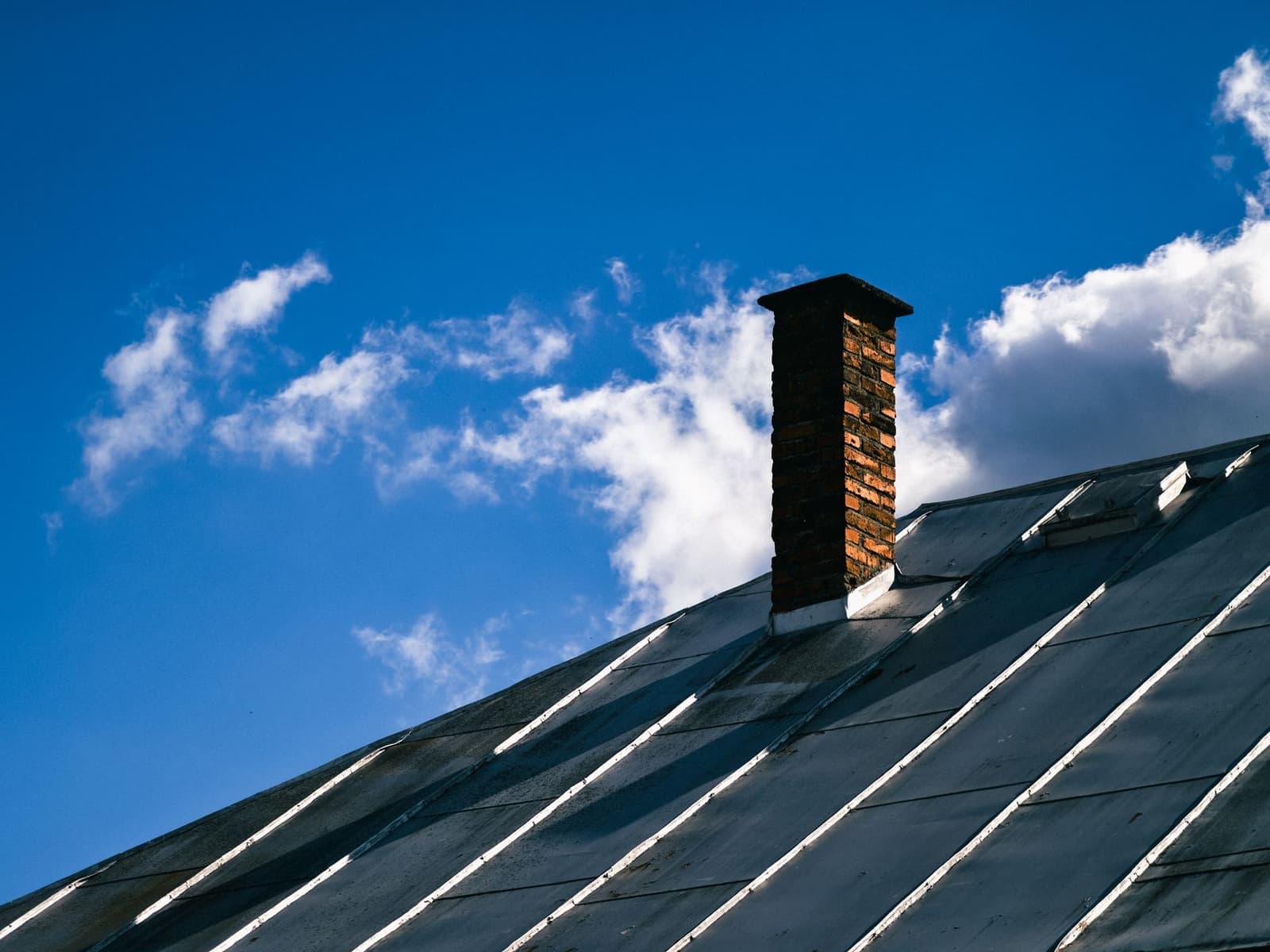
The four systems
Standing seam panels run the length of the slope with raised interlocking seams and concealed fasteners. They suit simple, well-defined roofs and cost more.
Exposed-fastener or corrugated panels are screwed through the face. They are common on sheds and commercial buildings and need their fasteners and washers checked over time.
Stone-coated steel panels have a granule face and are made to look like tile or shake. Metal shingles are small interlocking pieces that read like conventional shingles.
The metal itself is usually steel with an aluminum-zinc coating, often called Galvalume. Aluminum is lighter than steel. Copper and zinc are rare and costly.
Fasteners deserve a line in the scope. Exposed-fastener panels depend on washers that age, so the maintenance plan should say when they are checked. Standing seam depends on clips that let the panel expand and contract, so ask which clip and which panel thickness we propose.
Deck, noise and fire
Metal needs a solid deck and a good underlayment. The panel is thin, so rain noise depends on what sits beneath it, not on the metal. A closed deck with proper underlayment keeps rain quiet.
Fire rating belongs to the assembly. Metal assemblies reaching Class A exist. Where a Very High Fire Hazard Severity Zone lies inside the City of Los Angeles, the rule calls for Class A. The tested build-up includes the underlayment and deck.
Where the cool roof rule applies, cool-rated metal finishes are available, and a CRRC listing shows the aged reflectance and emittance. Metal finishes can meet the steep-slope values stated for shingles.
Panel thickness and coating are the other quality markers. A thicker panel dents less underfoot, and a factory finish with a published listing holds its color and its cool values. Ask for the maker's data sheet, not a summary, and keep it with the permit papers.
What a metal scope should name
- Panel type and metal, with its finish
- Underlayment suited to metal and heat
- Seam, clip and fastener details
- Fire assembly and class
- Cool-roof values from the CRRC directory
- Planning approval, if the address needs it
Reasons homeowners look at metal
- An aging tile roof that has to come off
- The fire class the city's building department sets for the roof
- Framing that cannot carry tile
- A roof being rebuilt after a fire
The County planning check
Where the County is the building authority, a switch to a metal roof needs sign-off from its Department of Regional Planning. This catches people out because it sits outside the building permit. Ask early whether your address is in County jurisdiction.
Los Angeles and each incorporated city set different rules, and each city's building department is the place to ask.
Price context
Angi's 2026 figures for Los Angeles run about $12 per square foot installed for metal, with an average metal roof of $22,169. Standing seam costs more than exposed-fastener panels, and a short run costs more per foot because of minimum charges. Treat these as published reference points.
A switch from tile or shingle to metal also changes the underlayment. Metal needs a high-temperature sheet that will not soften under warm panels. If the old roof had spaced boards, the deck is closed first. Those items sit in the scope as lines, so a bid that omits them is not comparable to one that includes them.
Metal roof questions
What are the pros and cons of metal roofing?
For: light weight, long service, cool-roof finishes and Class A assemblies. Against: higher cost than shingles, rain noise if the deck and underlayment are thin, and County planning approval when switching in some areas. Lifespan and energy savings claims need a source before you rely on them.
What is a good price for metal roofing?
Angi's 2026 Los Angeles page gives about $12 per square foot installed, and its metal roof average is $22,169. Standing seam costs more than exposed-fastener panels. These are published reference points, not a quote from us.
What is stone-coated steel?
Steel panels with a granule face, shaped to resemble tile or shake. They weigh less than tile and can be part of a Class A assembly. Check the panel's fire test listing and CRRC listing for your address.
How is a metal roof fire rated?
As an assembly. Fire tests rate the covering with the underlayment and deck beneath it, so a metal panel by itself has no class. Ask for the tested assembly listing.
Is a metal roof loud in the rain?
Not when it is installed over a solid deck with proper underlayment. The noise comes from a thin or hollow build-up, not from the metal.