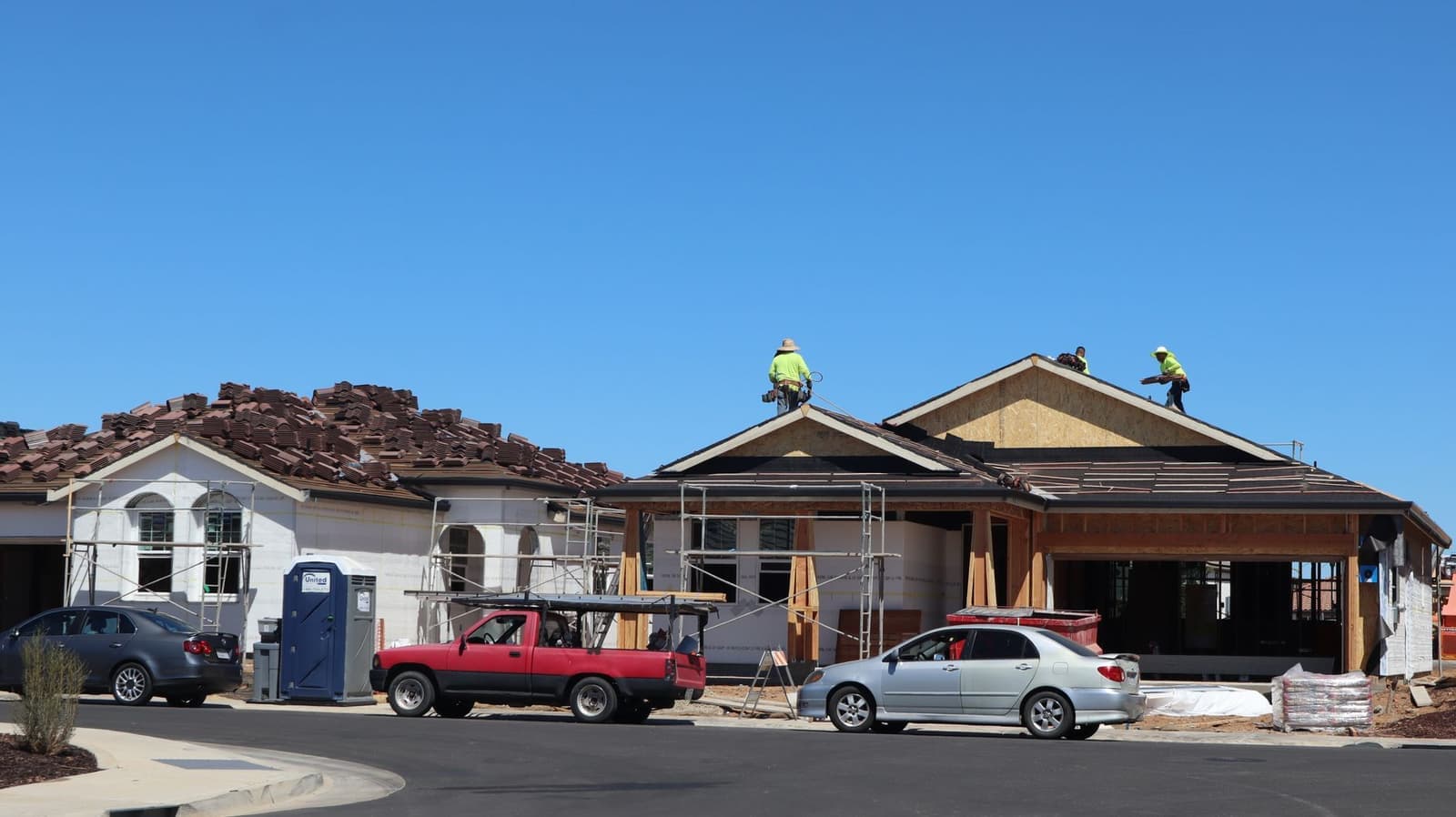
A tear-off removes the covering and the underlayment, which leaves a bare deck until the new layers go on. The work is planned so the deck is covered each evening, but weather can change the plan. In Los Angeles most of the year's rain falls in five months, so the calendar matters.
The rain pattern
In the National Weather Service's 1991 to 2020 normals, Downtown Los Angeles gets about 14.25 inches a year. By month, October averages 0.58 inches. November averages 0.78 inches, December 2.48 inches, January 3.29 inches, February 3.64 inches and March 2.23 inches. April is 0.69, May 0.32, and June to September run from 0.09 down to almost nothing.
Of those 14.25 inches, about 12.42 fall from November to March, roughly 87 percent. June to September is close to zero.
That is an average of many years. Any single year can bring rain in October or April, or a dry winter. The pattern tells you where the risk sits, not what any one week will do.
A wet October is possible and a dry February too. The pattern is a guide to risk, and a sound plan assumes the first rain may come early.
What an open deck faces
During a tear-off, the old covering and the underlayment come up in sections. Each section is dried in with new underlayment before work stops for the day, so the open area at any time is small.
Rain during the open window is the risk. Water on bare sheathing soaks into the boards and then into the attic and ceilings below. Wet sheathing has to dry before new layers go over it, since trapped moisture shortens the life of the whole stack.
A scope should say how the open area is limited, what temporary cover is used and what happens when rain is forecast mid-job.
Wind is the other weather. A bare deck with loose underlayment can catch gusts, so dry-in practices matter on breezy days as well as rainy ones. Ask whether work stops early when the forecast changes.
What happens after the first storm
Two reports describe the pattern. On 7 November 2015, ABC7 described Los Angeles roofers fully booked while owners hurried to finish before a forecast El Nino winter. On 2 March 2023, after record storms, FOX 11 described homeowners waiting for return calls that did not come.
Timing is what both reports show. Once the rain starts, the people who wanted work done before it move into the same queue. Planning in the dry months, with the assessment and the permit done early, puts you ahead of that queue.
We do not promise a start date before the assessment. The date is set in writing with the scope.
Not every delay is bad news. A roofer that moves the date because of a forecast is protecting your deck. Ask how changes are communicated.
Planning backward from the wet season
Work backward from the first week you want the roof closed. The tear-off takes days, depending on size. Before it come the permit, the material order and the assessment. Material lead times differ: shingles are usually stocked, while tile and some metal profiles can take longer.
If the roof is leaking now, the order changes. The first goal is to stop water entering, and the replacement is scheduled as soon as possible.
A calendar with the permit date, the delivery date and a backup date for rain avoids most of the problems.
Materials can cause delays. If tile or a special metal profile is on order, the delivery date sets the start date. Delivery should be confirmed in writing before the tear-off is scheduled.
Weather clauses worth asking for
The scope should state four things. How the deck is covered at the end of each day. What happens if rain is forecast during the open window. Who pays for interior damage if a cover fails, as a matter of the contract and the roofing company's insurance. And how a delay is communicated.
The contract is the place for these terms, so read them there before you sign.
Keep photos. Photograph the ceilings and the attic before work begins and after the first rain. If a problem appears, the record shows when it started.
Scheduling and rain questions
What happens to roofers' calendars after the first storm?
They fill. On 7 November 2015 ABC7 described Los Angeles crews fully booked before a forecast El Nino winter, and on 2 March 2023 FOX 11 described owners waiting on return calls after storms. Schedule the work for the dry season.
What can go wrong with a tear-off in wet weather?
Rain on an open deck soaks the sheathing and can reach the ceilings below. Wet boards must dry before new layers go on. Ask how the open area is limited and covered each day.
Is rain louder on a metal roof?
Not when it is installed over a solid deck with proper underlayment. The noise comes from a thin or hollow build-up, not from the metal itself.